What to Eat Before a Workout: The Real Pre-Workout Nutrition Guide
The supplement industry sells pre-workout in tubs. The real pre-workout — the one that actually fuels hard training — is food, eaten at the right time, in the right amounts. Here's what to eat, when to eat it, and why most lifters are getting this wrong.
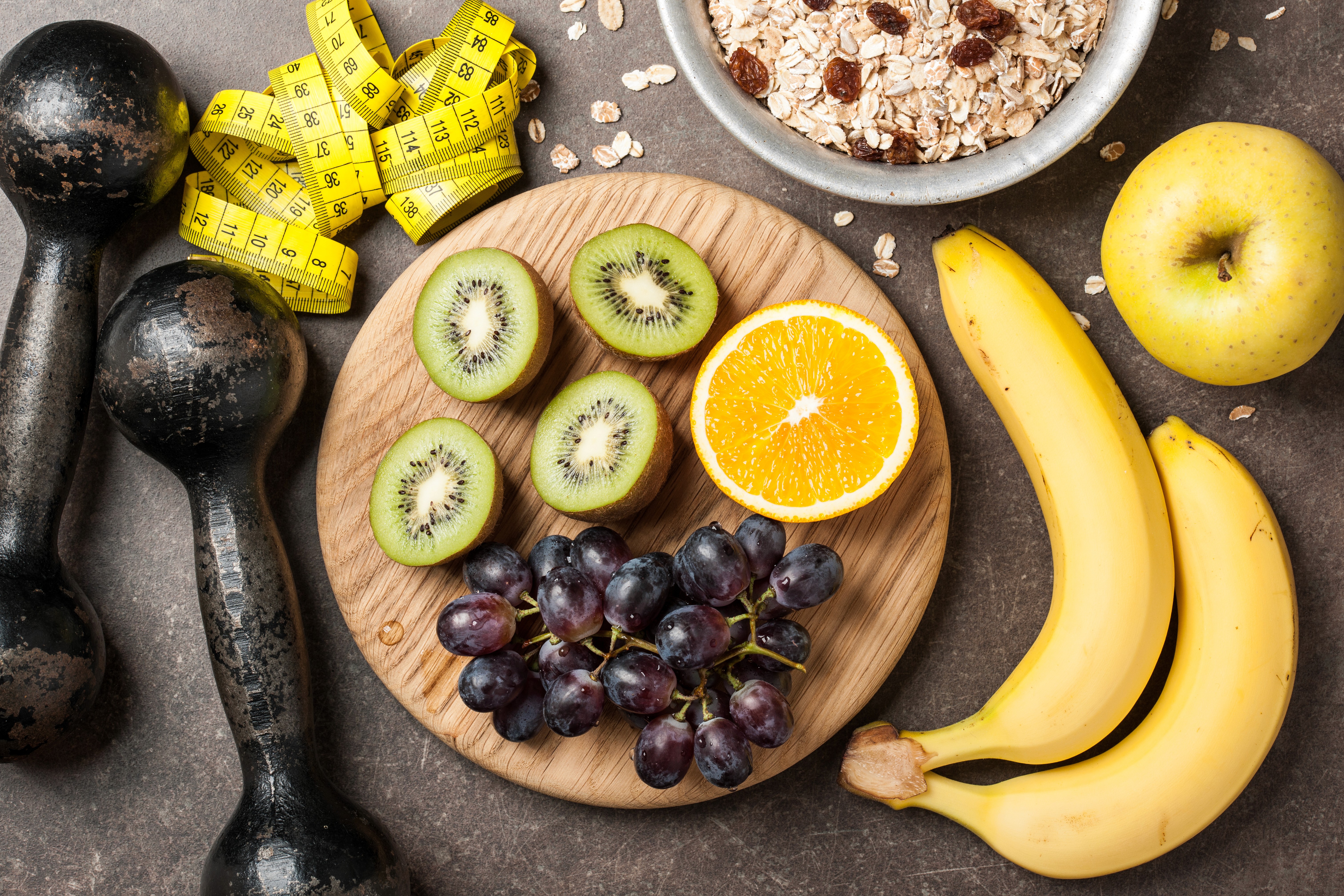
The most overlooked variable in training
Walk into any gym and you'll see lifters spending $50 a month on pre-workout supplements, optimizing their warm-up routines, debating set-rep schemes for hours. Then they'll train fasted, or after a bag of chips at 4 PM, or with a stomach full of greasy takeout. The actual food that powers their training — the most controllable performance variable available — gets no attention.
Pre-workout nutrition isn't complicated, but it matters more than most people realize. The difference between a well-fueled session and a poorly-fueled one is real: heavier weights moved, more reps completed, better mind-muscle connection, longer working duration before fatigue, and better recovery starting the moment training ends. Across weeks and months, that difference compounds into noticeably more muscle, strength, and progress.
This article is the conversation I have with coaching clients when their nutrition around training is the obvious leak. Most lifters don't need to take more supplements. They need to eat the right food at the right time.
Why pre-workout nutrition actually matters
Your body needs two things to perform hard training: available energy and structural readiness. Available energy comes primarily from glycogen (stored carbohydrate in muscles and the liver) and, to a lesser extent, blood glucose. Structural readiness means amino acids circulating in your bloodstream to support muscle protein synthesis from the moment training begins.
If you train without addressing either of these, here's what happens:
Glycogen depletion. After 6 to 8 hours without eating carbs, muscle glycogen is partially depleted, especially in the muscles you trained most recently. Heavy resistance training relies heavily on glycogen for energy. Train depleted and you'll fatigue faster, struggle on later sets, and lose 5 to 15% of your typical working output.
Low amino acid availability. Without circulating amino acids at the start of training, the muscle protein synthesis response to training is blunted. You still get a stimulus from the lifting, but the rebuilding signal is weaker than it could be.
Energy crashes mid-session. Training while genuinely hungry or under-fueled often leads to a crash 20 to 40 minutes in — you start strong, then fall off a cliff. This isn't motivation; it's blood sugar. Hard training without fuel can drop blood glucose enough to impair performance and concentration.
Slower recovery starting from session one. Recovery doesn't begin when you walk out of the gym. It begins the moment the last set ends, and your body uses the nutrition already in your system at that moment. Train under-fueled and recovery is already behind by the time you grab your post-workout meal.
None of this means you can't train under-fueled. People do it all the time and still build muscle. But every session done under-fueled is a session producing less stimulus and less recovery than it could have. Stack 200 of those a year and the gap adds up.
The real timing window
Most pre-workout meal advice is built around the idea of eating immediately before training. That works in some cases but isn't necessary. The actual timing window is wider than most lifters realize.
3 to 4 hours before training: A full mixed meal (protein, carbs, fats). Digestion is essentially complete by training time. Energy and amino acids are circulating. This is the ideal setup for most lifters and most schedules.
1 to 2 hours before training: A smaller, more digestible meal — lower fat, lower fiber, moderate protein, moderate-to-high carbs. Still digesting somewhat at training time but doesn't sit heavy. Works well if you can't fit a full meal 3+ hours out.
30 to 60 minutes before training: A quick, easy-to-digest snack — a protein shake, fruit, rice cakes, white bread with jam. Minimal solid food, mostly fast carbs and a small amount of protein. This is the "I forgot to eat earlier" rescue option, not the ideal.
Immediately before training: Liquid carbs and amino acids only (intra-workout shake style). Solid food this close to training will sit heavy and impair performance for most lifters.
The lifters who perform best on a consistent basis usually eat their main pre-workout meal in the 2 to 4 hour window. Last-minute fueling works but isn't optimal — your gut is competing with your training for resources.
What to actually eat
The macronutrient priorities before training are clear: carbs first, protein second, fat sparingly, fiber low.
Carbs are the priority. Resistance training is a glycogen-burning activity. The carbs you eat before training top off your muscle and liver glycogen stores and provide circulating glucose for the session. Target 30 to 80 grams of carbs in your pre-workout meal depending on size, timing, and training intensity. Lighter sessions need less; heavy compound work needs more.
Protein supports the session. Target 25 to 50 grams of protein in your pre-workout meal. This gives you circulating amino acids during training, which improves the muscle protein synthesis response and reduces muscle breakdown during the session.
Fat slows digestion — keep it moderate. A meal too high in fat (over 20 to 25 grams) will sit in your stomach longer and can leave you feeling sluggish during training. A small amount of fat is fine and helps with satiety. Avoid pre-workout meals built around fatty meat, cheese, nuts, or fried food.
Keep fiber low close to training. A meal heavy in raw vegetables, beans, or whole grain bread an hour before training can cause GI distress mid-session. Save the high-fiber meals for non-training windows.
Specific pre-workout meal examples
These are real meals lifters actually eat — not theoretical macros. Pick what fits your schedule and preferences.
3 to 4 hours out:
Chicken breast (6 oz), white rice (1.5 cups cooked), steamed broccoli (small portion), small amount of soy sauce or seasoning
Lean ground turkey (6 oz), sweet potato (medium), green beans
Eggs (3) + egg whites (4), oatmeal (1 cup cooked), banana, small amount of honey
Greek yogurt (1.5 cups), berries, granola (1/3 cup), a drizzle of honey
1 to 2 hours out:
Chicken breast (4 oz), white rice (1 cup), light vegetables — easier portion than the 3-hour version
Tuna packet + bagel + small fruit
Cottage cheese (1 cup) + pineapple + a few rice cakes
Protein shake + banana + 2 slices white toast with jam
30 to 60 minutes out (rescue snack):
Protein shake + banana
Rice cakes (3) + jam + whey shake on the side
Fruit (apple or banana) + 20g whey protein
Cream of rice with a scoop of whey mixed in
Immediately before training (intra-style):
Liquid carb source (Gatorade, Karbolyn, etc.) + EAAs or whey isolate, sipped during warm-ups
Banana + small amount of honey
What to avoid before training
The wrong pre-workout meal can wreck a session as effectively as no meal at all.
High-fat, high-volume meals. Burgers, pizza, fried chicken, anything heavy and greasy. These sit in your stomach for 4+ hours and will make you feel slow, bloated, and lazy when you should be sharp. Save these for non-training meals.
High-fiber bowls right before training. Bean bowls, salads with mixed vegetables, oatmeal stacked with seeds and berries — all great food, all terrible 60 minutes before training. Fiber slows digestion and can cause GI cramping during heavy lifts.
Excessive volume of any food. Even the right macros can sit heavy if you eat too much. A 1,200-calorie pre-workout meal isn't going to feel good, no matter how clean the food is. Match meal size to time-to-train: smaller closer to the session.
Alcohol the night before. Not strictly "pre-workout" but worth saying. Alcohol disrupts sleep, impairs glycogen replenishment, and lowers next-day performance significantly. Drinking the night before a hard session is sandbagging your own training.
Brand new foods you haven't tested. The day of a big training session is not the time to try a new pre-workout meal. Test new foods on lower-stakes days first. GI distress mid-deadlift session is a hard lesson you only need to learn once.
Special situations
Training fasted (early morning before food). Some lifters train at 5 or 6 AM and don't want to eat first. This works for lower-intensity sessions but costs you on heavy training days. If you train fasted, prioritize a fast-acting carb source and 20 to 30 grams of whey or EAAs about 15 to 20 minutes before training. Even a small amount of pre-workout fuel beats nothing.
Training right after work (evening sessions). This is where most office workers fail. You eat lunch at noon, train at 6 PM, and you're running on six-hour-old fuel. Add a planned afternoon snack — Greek yogurt and fruit at 3 PM, or a small meal at 4 PM. Don't let lunch be your pre-workout meal by accident.
Training in a cut (calorie deficit). Pre-workout fuel matters more when you're in a deficit, not less. Pull carbs from other meals if needed, but keep carbs in your pre-workout window. The session is where you protect your muscle mass; under-fueling the session is where you lose it.
Training in a surplus (bulking). Larger pre-workout meals work fine here. This is the window where you can eat the highest-carb, biggest meals and still feel good. Take advantage of it.
Two-a-day training. The meal between sessions matters as much as the pre-workout meal for the first one. Aim for a quick-digesting, carb-heavy, moderate-protein meal in the 90 to 180 minutes between sessions.
The often-ignored detail: hydration
Most lifters underestimate hydration's effect on training performance. A 2% drop in body water (which happens easily across a day of work and forgotten water bottles) reduces strength output measurably and increases perceived exertion. Showing up to train mildly dehydrated is one of the most common silent leaks in lifter performance.
The simple fix: 16 to 24 ounces of water in the 60 to 90 minutes before training. Sip, don't chug. If you sweat heavily or train in heat, add electrolytes — sodium specifically. A pinch of salt in your pre-workout water is one of the cheapest performance enhancers available.
The bottom line
Pre-workout nutrition is a leverage point most lifters ignore. You don't need expensive supplements or elaborate timing protocols. You need a real meal 2 to 4 hours before training, weighted toward carbs and protein, low in fat and fiber. If you can't fit a full meal in that window, a smaller meal closer in works. If you can't fit any food in that window, a quick carb-and-protein snack still beats training fasted.
Stack a well-fueled session on top of solid training, adequate sleep, and consistent total nutrition, and the compounding effect over months is significant. Most lifters who feel like they're plateauing have actually never trained with their fuel dialed in.
Want help building a nutrition plan that fits your training?
A lot of what coaching actually does is exactly this — building a daily nutrition plan that supports the way you actually train, on the schedule you actually have, with foods you'll actually eat. We get rid of the guesswork and the leaks.
Reach out through the contact page if you want a real conversation about where you're at. No script, no pitch — just a look at what might be holding you back.